Sustainable party favour ideas that don’t end up in a drawer
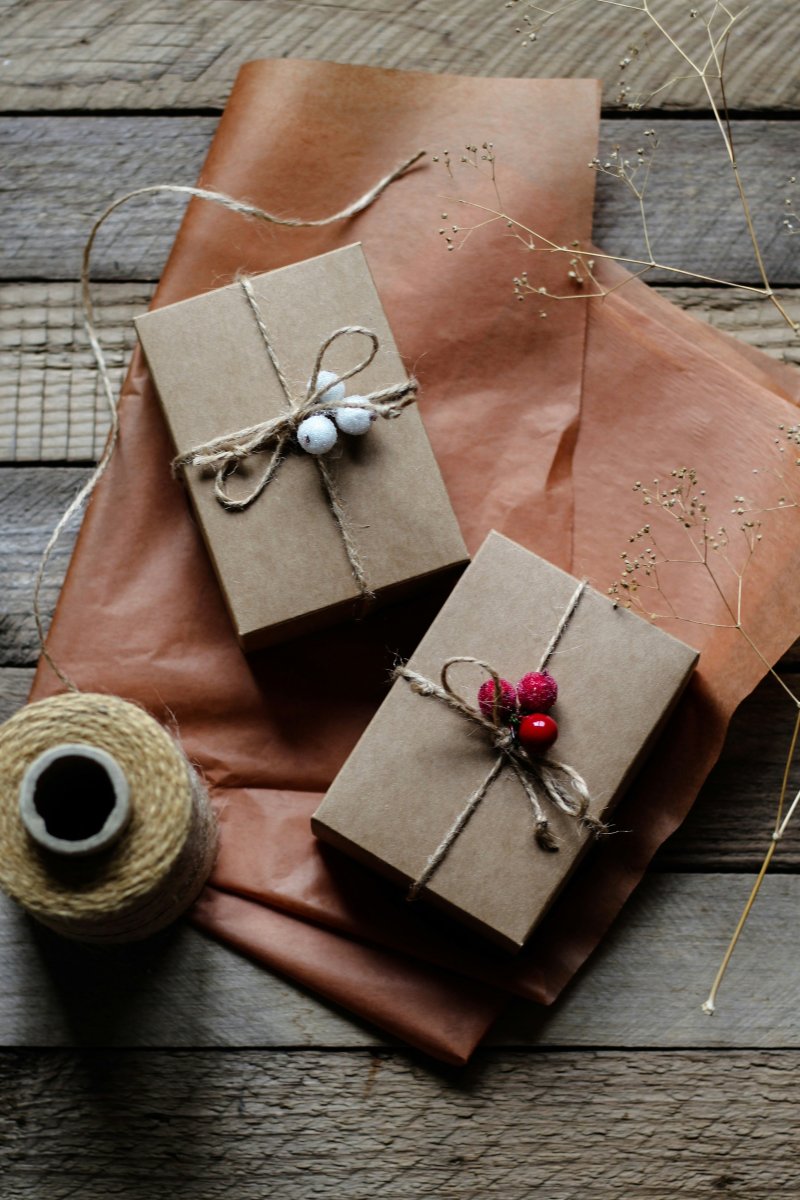
There’s a particular moment at the end of a kids’ party. The cake is gone, the parents are collecting shoes, and you hand each child a small bag of plastic things.
You know what happens next. So does every parent in the room. The bag gets emptied onto a car seat, half of it is broken by bedtime, and the rest joins the drawer where small plastic things go to be forgotten.
Nobody wants this. It’s just what we’ve always done.
The good news is that the alternatives aren’t harder or more expensive — most of them cost the same $5 you were already spending per guest. They’re just chosen differently. Here’s what actually works.
Why the loot bag is worth rethinking
Party favours made from disposable plastic — trinkets, bags, and their packaging — often have a lifespan of hours or days before they’re thrown out, adding to landfill volume and shedding microplastics along the way. It’s a small category of waste, but it’s an unusually pointless one: almost none of it was wanted, and almost none of it survives the week. (Whether you call them party favours or party favors, the drawer is the same.)
Zoom out and the pattern is familiar. More than 430 million tonnes of plastic are produced each year, and roughly two-thirds of it is discarded after a single use.
A party favour is a thank-you. It doesn’t have to be an object at all — and when it is one, it can be something that gets used up, planted, eaten, or read.
A small gift card to a local business
- Cost
- $5–$10
- Effort
- Low
- Waste
- Near zero
A $5 card to the neighbourhood ice cream shop, the local toy store, or an independent bookshop is our favourite favour, and it’s barely more than you’d spend on a bag of plastic.
It works because it does three things at once. It creates an outing rather than an object — the kid gets an afternoon with a parent, not a trinket. It keeps money with a local business instead of an overseas factory. And it never becomes clutter, because it stops existing the moment it’s used.
How to do it well
- Talk to the shop first. Many independents will do a batch of small-denomination cards, and some will discount them for a bulk order.
- Ask if they have plain cards or ones without a lot of branding — they photograph better and feel more like a gift.
- Pair it with a handwritten note. “Thanks for coming to Maya’s party — go have a scoop on us” turns a card into a moment.
Ice cream shops are the easy win with young kids. For older ones, a local bakery, comic shop, climbing gym, or art supply store works just as well.
Seeds and plantable paper
- Cost
- $1–$5
- Effort
- Low
- Waste
- Zero, by design
A packet of wildflower seeds is a favour that turns into a whole summer. Kids plant them, watch them, and remember whose party they came from every time something comes up out of the dirt.
The most elegant version is seed paper — paper embedded with wildflower or herb seeds that you bury in soil, water, and let dissolve. The favour composts itself. There’s nothing to throw away because the thing is the plant.
Canadian makers worth looking at
- Botanical PaperWorks — a Winnipeg-based company that’s been making seed paper for around two decades. Their party favours can be personalized with a name and date, and the paper is made from donated material from local schools and businesses, which keeps it out of landfill twice over.
- Recycled Ideas Favors — plantable seed paper favours in shapes kids actually like, including dinosaurs, for birthdays, showers and parties.
- Etsy Canada — search “seed bomb party favours” or “plantable favours” for small-batch Canadian sellers. Seed bombs (a ball of clay, compost and wildflower seed) are usually the cheapest option per guest, and kids love throwing them.
One caution: check that the seed mix is regionally appropriate and doesn’t include species invasive to your province. A good supplier will tell you what’s in the mix. If they can’t, pick a different one.
A book
- Cost
- $3–$12
- Effort
- Medium
- Waste
- None
A book is the one favour that can outlast childhood. It also solves the age-range problem that plagues loot bags, because you can pick per guest rather than buying twenty identical things.
Three ways to do it without spending a fortune
- Used bookshops. Kids’ picture books are often $2–$4 secondhand and in near-perfect condition — children’s books get read a handful of times and then outgrown. Most cities have a shop that’ll let you fill a box.
- Scholastic-style bulk orders. Ordering one title in quantity brings the per-book price right down if you’d rather everyone get the same thing.
- A book swap instead of favours. Ask each guest to bring a book they’ve finished, wrapped. Everyone leaves with a different one. Cost to the host: zero. Kids find the swap itself more exciting than a bag.
Write the birthday kid’s name and the date inside the front cover. It costs nothing and turns the book into a keepsake.
Something edible
- Cost
- $2–$6
- Effort
- Medium
- Waste
- Minimal
Food is the original zero-waste favour: it gets eaten and the problem solves itself. A jar of honey, a decorated cookie, a bag of hot chocolate mix, a small bar of local chocolate.
The trick is the packaging. A cellophane bag with a plastic tie undoes most of the benefit. Use paper bags, small tins, or fabric scraps tied with twine — or a small jar the family will keep.
Something they’ll actually use up
- Cost
- $3–$8
- Effort
- Low
- Waste
- Low
If it has to be an object, make it a consumable — something with a natural end, so it doesn’t need to be thrown away to disappear.
- Beeswax crayons. Mind Your Bees makes all-natural hand-poured beeswax crayons in Canada. They get used down to stubs and then composted.
- Bulk art supplies. One good sketchbook and a pencil beats a bag of eight broken novelty items, and usually costs less.
- Bubbles, sidewalk chalk, or seeds for the garden. All get used up outdoors and leave nothing behind.
For the party itself, Greenmunch (Alberta) carries compostable and eco party supplies — paper straws, dinnerware, and craft materials — if you want the plates and cups to match the thinking behind the favours.
No favour at all — a donation instead
- Cost
- Whatever you choose
- Effort
- Lowest
- Waste
- None
Some families skip the bag entirely and put the money somewhere it does more. A card at each place setting reading “Instead of favours, we’ve planted twenty trees / donated to the animal shelter” is a favour of a different kind, and older kids in particular respond to it.
This works best when you tell guests in advance on the invitation. Nobody feels short-changed if they knew the plan going in.
A quick comparison
| Idea | Per guest | Effort | Best for |
|---|---|---|---|
| Local gift card | $5–$10 | Low | All ages, especially mixed groups |
| Seed paper / seed bombs | $1–$5 | Low | Ages 4+, spring and summer parties |
| Books | $3–$12 | Medium | All ages; secondhand keeps it cheap |
| Edible favours | $2–$6 | Medium | Any party, any season |
| Beeswax crayons / art supplies | $3–$8 | Low | Younger kids |
| Donation instead | Your call | Lowest | Older kids, adult events |
Twenty gifts, or one big gift.
Here’s the thing about rethinking the favour bag: it’s exactly the same logic as rethinking the gift pile.
Twenty guests bring twenty gifts. Every one of them was chosen with care, and a good portion of them end up in the same drawer as the loot bag trinkets — not because anyone did anything wrong, but because twenty separate small purchases can’t help but overlap, miss, or duplicate.
That’s the problem OneBigGift was built to solve. Instead of twenty gifts, everyone pools what they were going to spend anyway toward one thing the birthday kid actually wanted. Less to unwrap, but far more to remember.
Sources and further reading
- Botanical PaperWorks — plantable party favours
- Recycled Ideas Favors
- Greenmunch — eco party supplies, Canada
- Mind Your Bees — Canadian beeswax crayons and wraps
- EcoParent — Tips for a sustainable birthday celebration
- NSW EPA — Party with a purpose this Plastic Free July
- Shop Local Canada — Canadian eco-friendly stores by province